Most organisations are disciplined when it comes to buying and deploying technology, but that same level of structure rarely carries through to the end of the lifecycle.
The Missing Link works with Renew IT to provide a structured, end-to-end approach to IT asset retirement, from secure collection and data erasure through to recovery of residual value.
Retiring IT assets is still something that tends to be left until later. We’ve seen this play out consistently across customer environments. Equipment accumulates over time, ownership becomes unclear, and any remaining value is often written off.
What often gets overlooked is that end-of-life isn’t just the final step in the lifecycle. It has a direct impact on cost, risk, and how cleanly you can move through your next refresh or transformation.
Handled properly, it becomes part of how you maintain control across your environment and recover value from assets you’ve already invested in.
Who should prioritise IT asset retirement?
IT asset retirement is particularly relevant for infrastructure, cloud, and IT leaders managing refresh cycles, asset lifecycles, and technology investment across mid-market and enterprise environments.
It becomes especially important when:
-
-
A hardware refresh, cloud migration, or broader transformation is planned or underway.
-
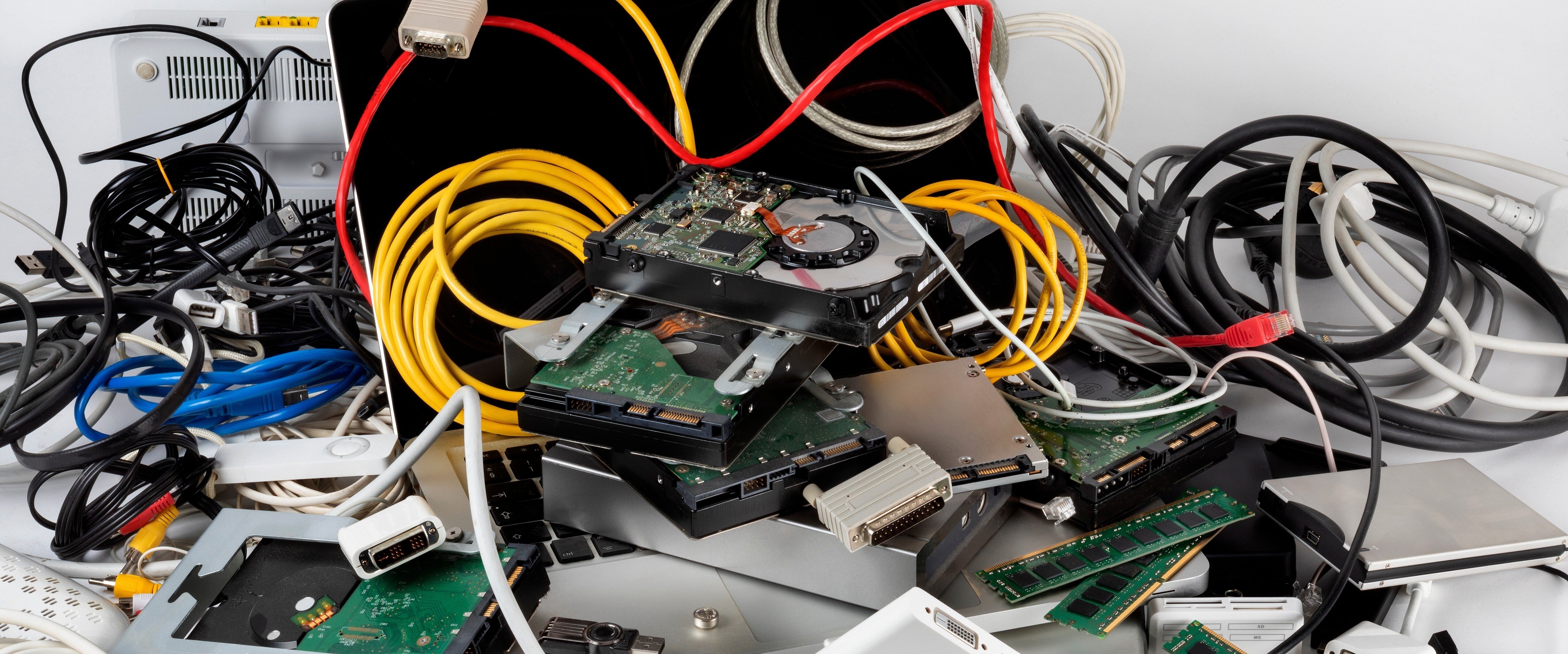
Retired or unused equipment is accumulating across offices, data centres, or storage locations.
-
Budget pressure is increasing, and there’s an opportunity to recover residual value from existing assets.
-
Audit, data security, or ESG requirements are becoming more formal.
-
Your organisation lacks a consistent process for tracking, decommissioning, and disposing of end-of-life technology.
-
Why secure retirement is only the starting point
Most organisations understand the need for controlled retirement, where data is removed properly, the chain of custody is clear, and compliance requirements are met.
In most environments, that part is handled reasonably well.
What tends to get less attention is what happens after that process is complete. Once assets have been sanitised and documented, there is often still usable value in them, but in many cases, it isn’t factored into planning.
The Missing Link works with organisations to identify and recover that value as part of a structured lifecycle approach, rather than leaving it as an afterthought.
Why asset recovery is getting more attention
There are a few practical reasons this is becoming a more regular part of planning discussions.
Infrastructure demand has increased, particularly with AI workloads driving more compute requirements, while supply chain pressure has made refurbished and secondary market equipment more relevant again.
Sustainability and governance requirements are also shifting expectations. Organisations now need to demonstrate outcomes, not just intent.
This means:
-
-
Proving how data has been handled at end of life
-
Showing traceability of assets for audit and ESG reporting
-
Making better use of existing technology investment
-
These changes are pushing asset recovery into more commercial discussions rather than leaving it as an operational task.

What we're seeing across customer environments
This is something we covered in a recent webinar session with Renew IT, where The Missing Link walked through how organisations are handling end-of-life IT and where value is being lost or recovered.
A consistent theme came through.
Most environments don’t have a structured way of dealing with assets once they’ve been retired. Equipment is removed during refresh cycles and then stored; ownership isn’t always clear, and over time, it becomes harder to track what’s still in the environment.
From what we see with customers:
-
-
Equipment builds up across sites
-
Asset audits are completed, but not always followed through
-
Teams lose track of what is still in the environment
-
The impact builds gradually. Asset value declines over time, teams spend time managing equipment that is no longer contributing to the business, and data-bearing devices remain a risk until there is clear evidence they’ve been handled properly.
Individually, these issues are manageable, but together they create cost, risk, and delays.
What the data from real environments shows
One of the more useful parts of the session was looking at what assets are actually returning.
Most organisations assume older equipment won’t hold much value, but that isn’t always the case.
For example, one environment returned around $35,000 from 352 desktop and compute assets that were six to eight years old, with that value reused against future services
In larger environments, the numbers scale quickly:
-
-
Mobile device refreshes returning over $1 million
-
Server decommissioning projects delivering similar outcomes
-
Not every environment will see those numbers, but the pattern is consistent. In many cases, there's more value than expected, with higher-value assets offsetting lower-value ones, making the overall process cost-neutral or better.
The Missing Link regularly helps organisations assess this early, so recovery can be factored into planning rather than discovered after the fact.
How recovery changes the economics of a refresh
When recovery is considered upfront, it becomes part of how organisations manage spend rather than something that happens after the fact.
Recovered value can be applied to:
-
-
Refresh programs
-
Infrastructure upgrades
-
Services or project delivery
-
This doesn’t just reduce cost. It also improves execution.
Clearing assets properly removes a common source of delay in refresh programs and avoids equipment sitting in the environment longer than it needs to.
From the session, the focus for most teams wasn’t disposal itself. It was about keeping projects moving and making better use of what they already own.
What needs to be in place for this to work
Any recovery process still needs to meet the same standards as a secure retirement.
That includes:
-
-
Certified data erasure
-
Clear chain of custody
-
Serialised tracking and reporting
-
Audit-ready documentation
-
The Missing Link delivers IT asset retirement services in Australia, aligning lifecycle planning with secure and certified execution.
Through its partnership with Renew IT:
-
-
Over 500,000 assets are processed annually
-
More than $55 million in rebates has been returned to organisations in the past year
-
Data erasure is aligned to NIST 800-88 standards
-
This allows organisations to recover value without introducing additional risk.
Why this is becoming more relevant in AI and infrastructure environments
Demand for compute and memory is changing how organisations think about the hardware lifecycle.
Increased demand has pushed up pricing in some areas, which supports the value of older equipment in secondary markets.
At the same time, lead times for new hardware are less predictable. In the session, there were examples of organisations sourcing refurbished components to keep projects on track rather than waiting for OEM supply.
This shifts end-of-life from a disposal task to part of how organisations manage availability, cost, and timing across their infrastructure.
Taking a lifecycle approach
The organisations that manage this well tend to treat asset retirement as part of a broader lifecycle, planning for deployment, use, retirement, and recovery as connected stages.
That doesn’t require a large program to start with. Most organisations begin with a single asset group or a single refresh cycle and build a repeatable approach from there.
The Missing Link positions asset retirement in that context, as part of how the overall environment is managed rather than something to deal with at the end.
The next step
If you’ve got a refresh coming up or assets that have already been retired, the simplest starting point is to assess what’s there.
In most cases, that begins with an asset list, which can then be used to understand what value might exist and what options are available.
If you want to see how this plays out in real environments, including how organisations are recovering anywhere from $35,000 through to over $1 million from assets they had already written off, the full session goes into more detail.
Watch the on-demand webinar: Driving value from your end-of-life IT assets and see how organisations are recovering anywhere from $35,000 through to over $1 million from assets they had already written off.
FAQs